
Philosophy Our mission at The Children's Tree Montessori is to provide a carefully planned, stimulating environment in which children can develop a solid foundation through creative learning.
We believe that the Montessori method of education helps children develop a positive attitude towards school, builds their self-confidence, strengthens their ability to concentrate and fosters an abiding curiosity. We help each child develop habits of initiative and persistence by fostering inner security and a sense of order in the child. |
|
|
The goals of the primary level are to foster independence and to support the child in moving toward self-control and mastery of the surrounding environment. The Primary classrooms are prepared Montessori environments designed to encourage the child in a self-directed discovery of the world. The curriculum, environment and schedule intertwine to allow the child to develop a deep love for learning and to attain trust in his own ability to learn. |
 |
|
| |

|
The Elementary program offers a continuum built on the Primary experience. In the Montessori elementary, the child's own questions provide the basis for exploration of the world. Because those questions are heeded and nurtured, the child truly connects with knowledge. Subject matter is made relevant to the child's personal learning journey, providing an inner motivation. A Montessori education does not give a child a collection of isolated facts, but rather shares a vision of interrelated knowledge and a love of learning. |
|
|
| |
|
|
|
 |
Teaching each other In multi-aged classrooms, younger children are constantly stimulated by the interesting work that the older ones are engaged in. The older children in Montessori classes often help the younger children with their work, actually teaching lessons or correcting errors |
|
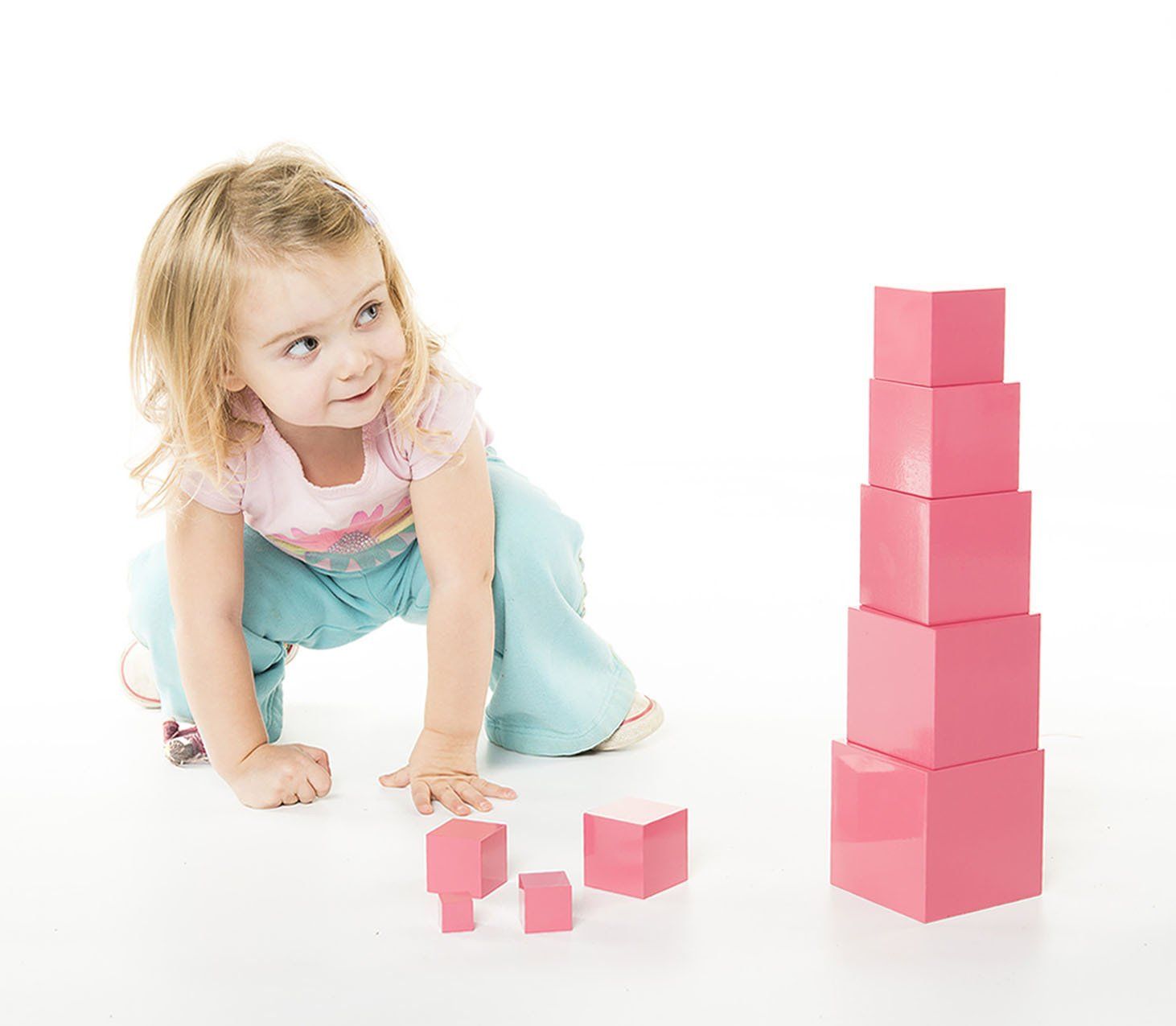
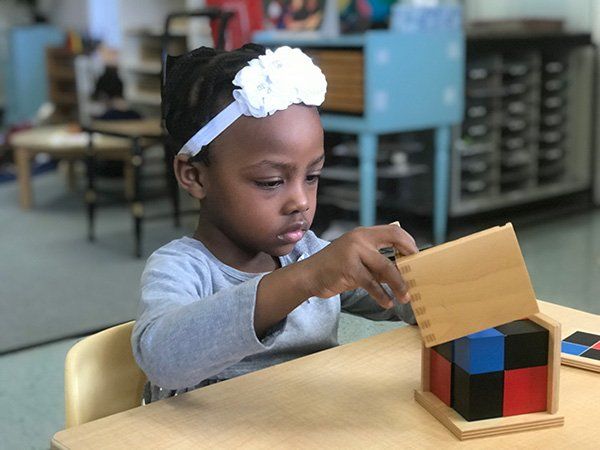
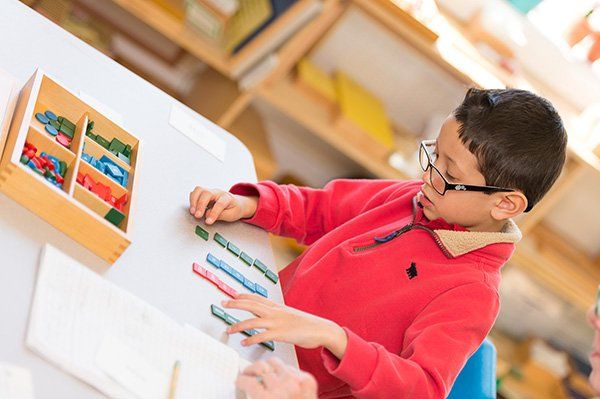
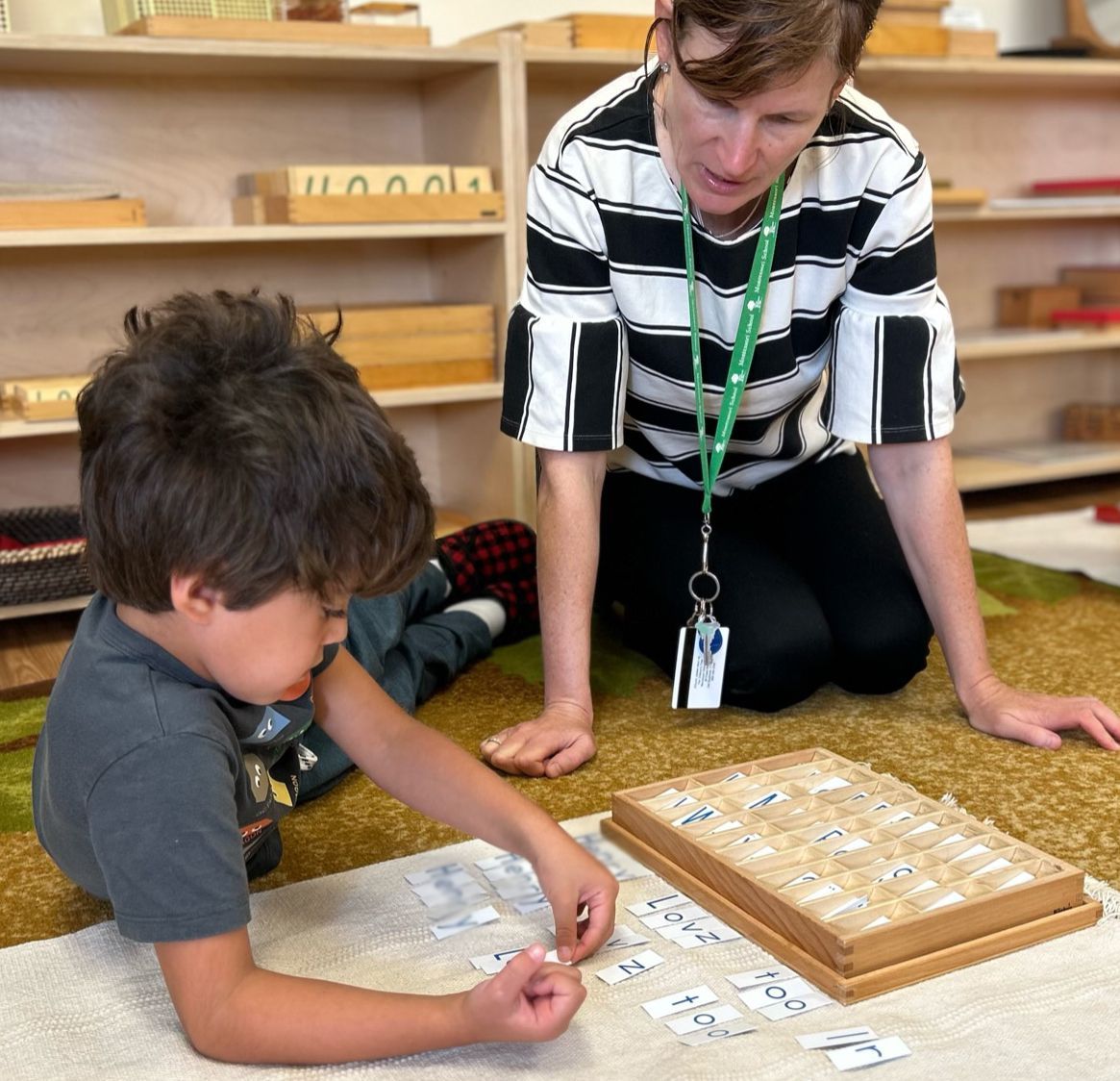
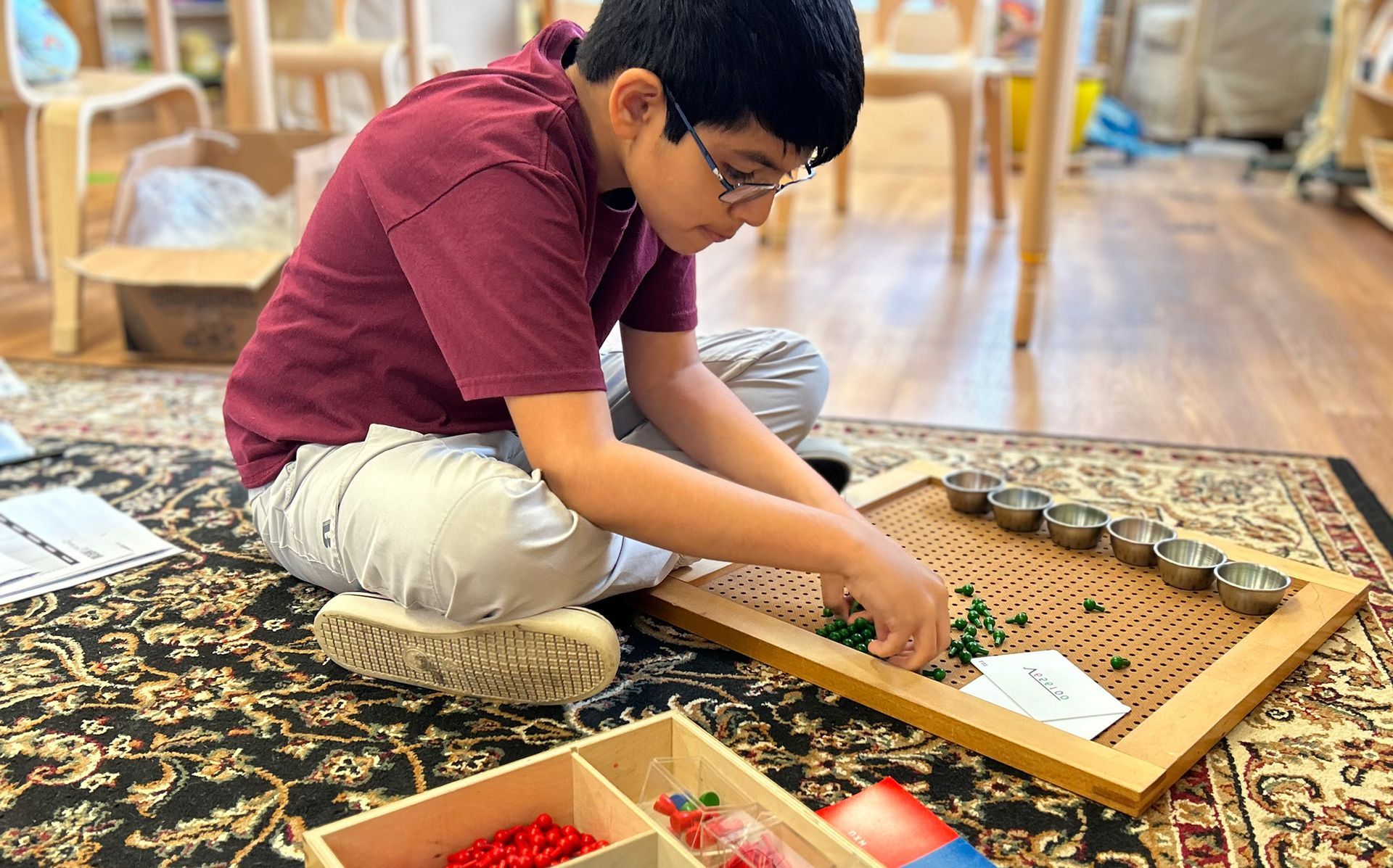
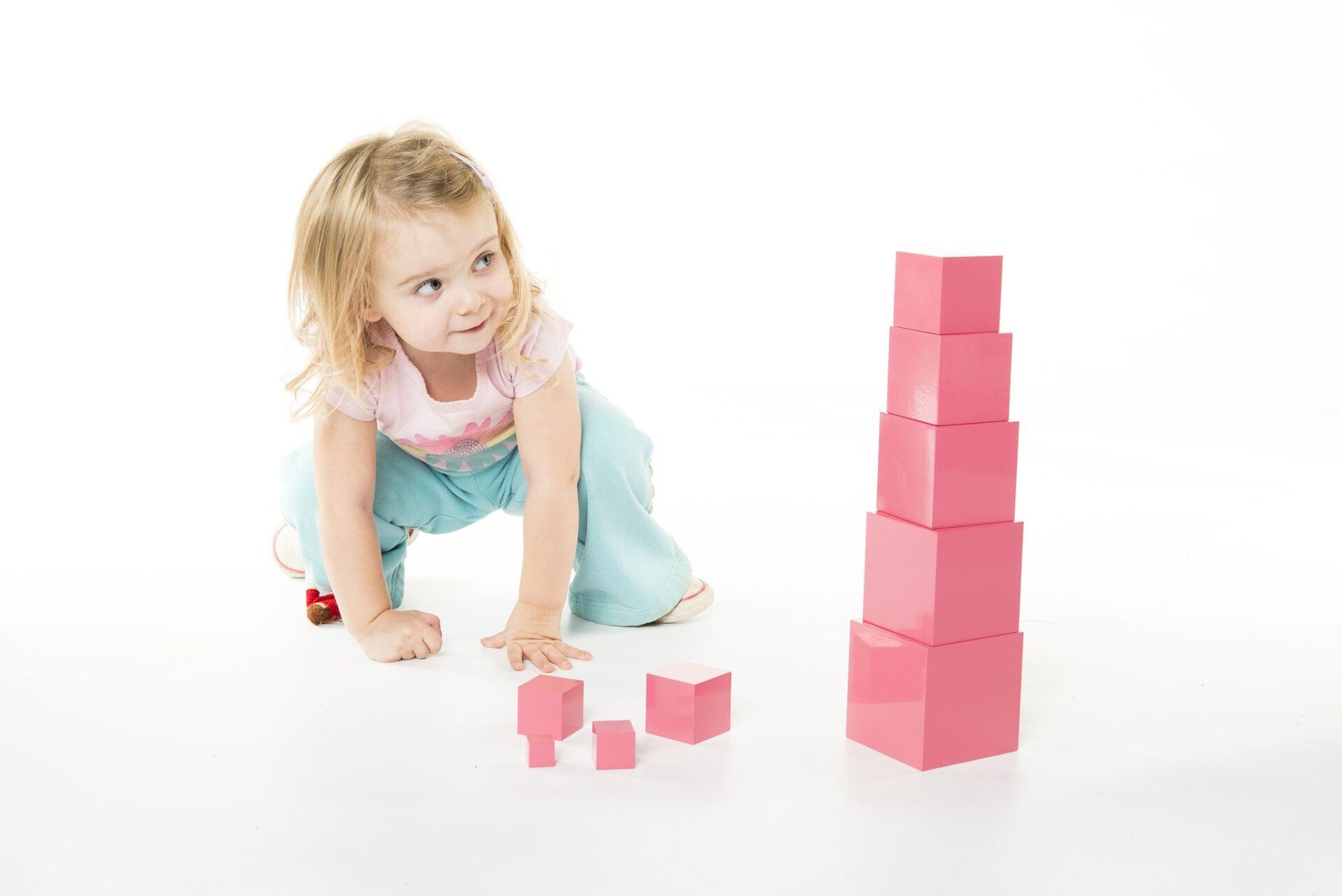
Research is very clear that young children learn by observing and manipulating their environment, not through textbooks and workbook exercises. The Montessori materials give the child concrete sensorial impression of abstract concepts, such as long division, that become the foundation for a lifetime understanding. |
|
 |
The social life of the Montessori elementary is defined by the fact that students can move around. They don't have to sit at a desk all day long. Students work together, either helping one another master skills or information, or working together on group projects. They also have the freedom to choose to work individually, mastering skills that are of interest to them. Students will typically be found scattered around the classroom, working alone or with one or two others. They tend to become so involved in their work that visitors tend to be amazed at the peaceful atmosphere |
|
| |
When the primary child is provided with an environment that encourages emotional, social, physical and academic skills to develop the child gains a positive attitude about himself, school, other people and the world! This essential foundation ensures future success in learning and in life. |
|
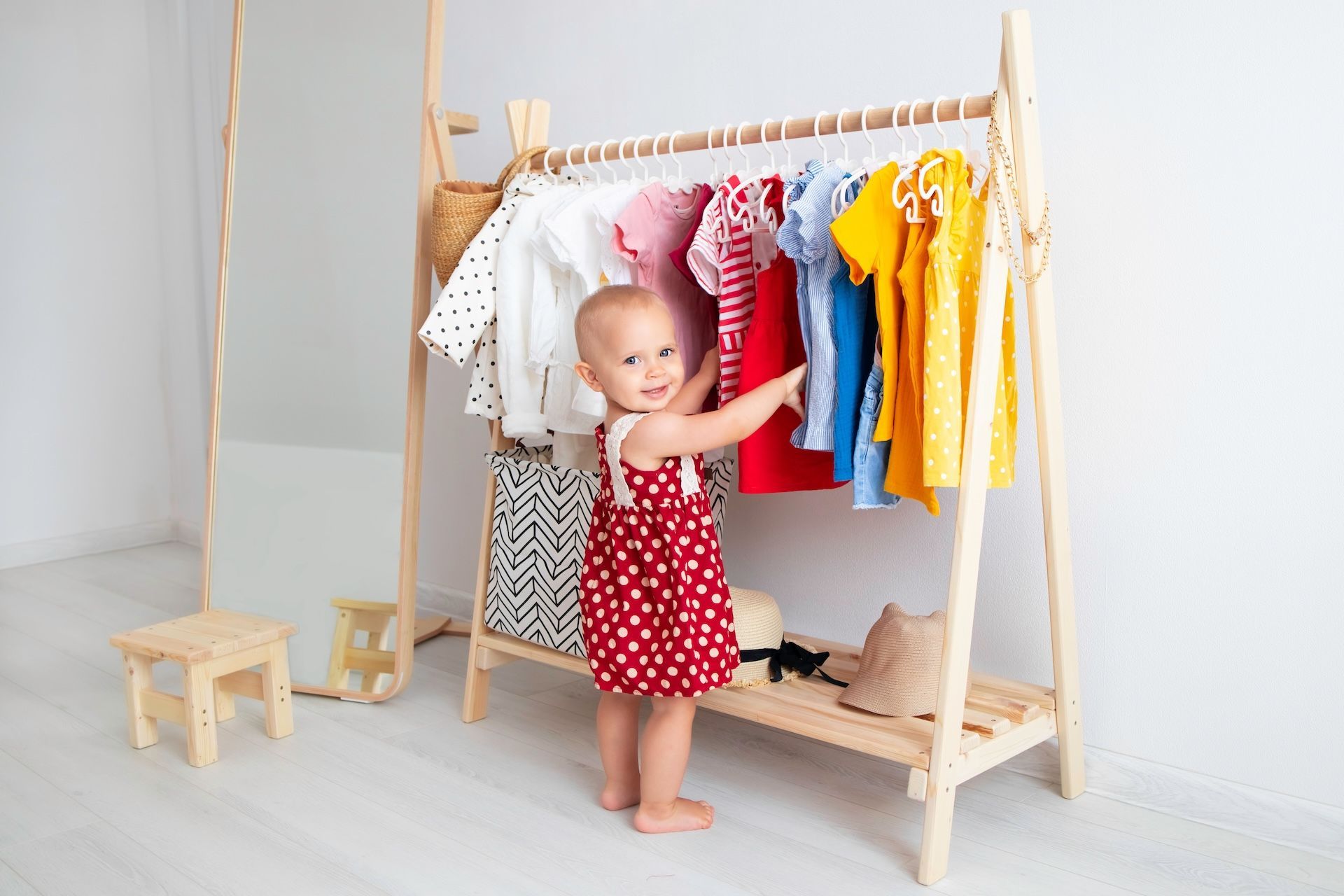
Making use of things mostly found around the home, these activities promote learning of skills that also enable them to participate fully and independently in their home life. With independence comes also the building of the child's self-confidence and initiative which carries out to his attitude towards learning in general |
|
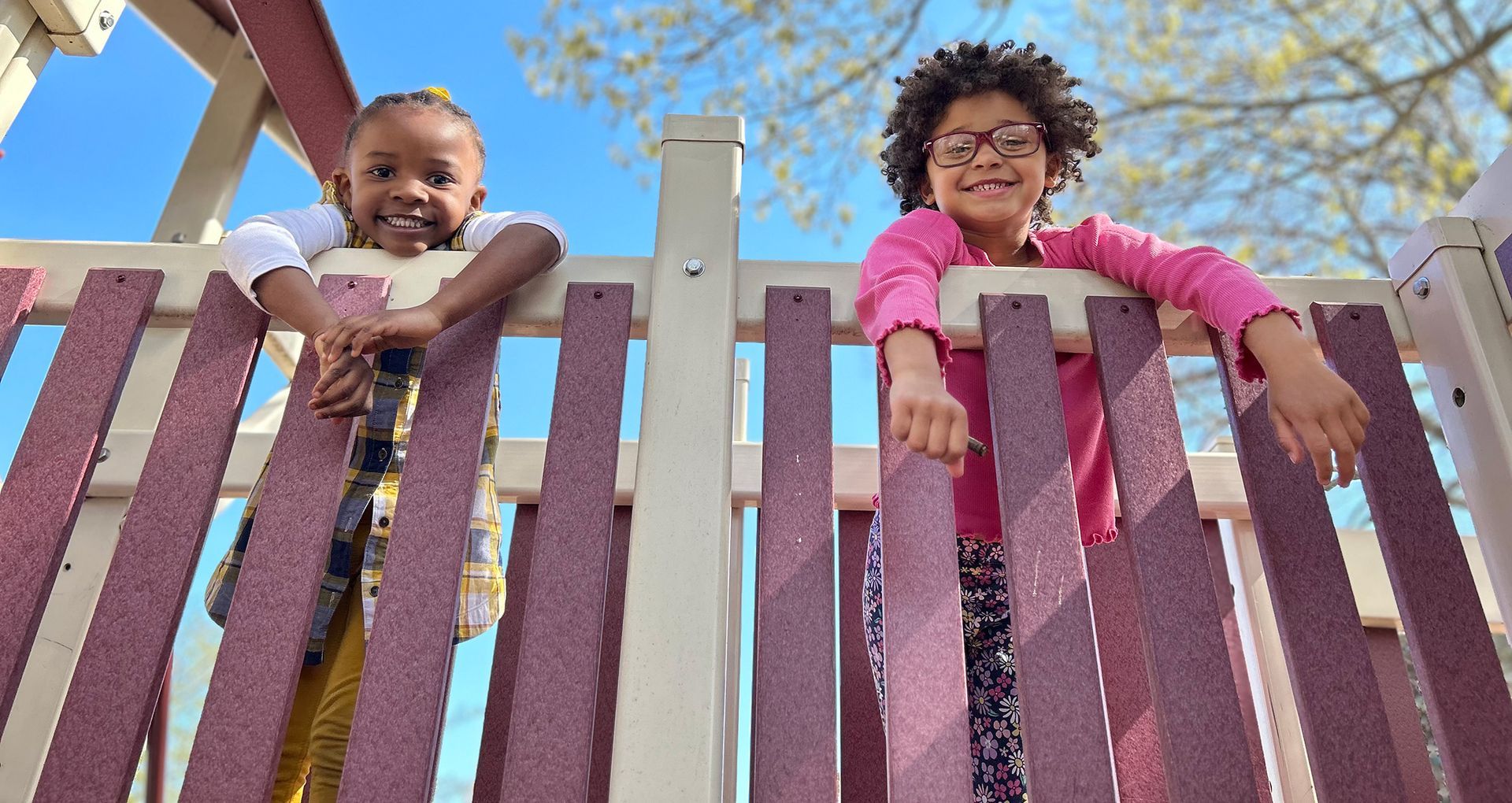
Montessori schools are normally small close-knit communities of children, teachers, and parents. They are like an extended family. Everyone knows everyone else. Children become close and remain friends with their teachers and both younger and older classmates. They grow up and study together for many years. While there may not be as many other children in the school to form your children's circle of friends as they would find in a larger school, their friendships will tend to be closer and will last a lifetime. |
|
copyright © 2007 Children's Tree Montessori, all images copyright © 2007 Smilebaby Photography |
|
| |
|
|
|
|
|
|
|